Minikai
  • What we do
  • Why we exist
Talk with usSign in

Site footer

Minikai is a person-centred AI platform for Australian residential aged care, Support at Home and NDIS providers. It gives every person their own AI advocate that brings disconnected systems together, coaches workers to capture high quality notes and incident reports, and audits every file for compliance. This helps providers keep participants safe and services funded, so every person can access better care and thrive.

Follow Minikai

ISO 27001 certifiedISO 42001 certified

© 2026 Minikai Pty Ltd. ABN 32 674 548 577. All rights reserved.

Product

  • What we do
  • Why we exist

Resources

  • Insights
  • FAQs
  • Release Notes
  • Help Centre (opens in a new tab)
  • Glossary (opens in a new tab)
  • Minikai API Docs (opens in a new tab)

Security & Trust

  • Trust Centre (opens in a new tab)
  • ISO 27001 (opens in a new tab)
  • ISO/IEC 42001 (opens in a new tab)
  • Data residency in Australia (opens in a new tab)
  • Australian Privacy Principles
  • Security
  • System status (opens in a new tab)

Company

  • Sector leadership
  • Talk with us

Legal

  • Privacy Policy
  • Terms of Service
  • Data Processing Agreement

Notes from the work of building person-centred AI for care.

Case studies, product thinking, and industry context, written for therapists, managers, and everyone closing the gap between clinical expertise and frontline care.

FeaturedSector leadership · August 6, 2026

Why every progress note should point back to a goal

Carers, support workers, therapists and clinicians have always captured what happened in a session. As funding moves from service-based to outcomes-based, each note also needs to show progress against a person's goals, and writing notes directly against those goals keeps the evidence in the everyday record.

By Bron Fitzgerald4 min read
Read the article
A young woman with a backpack waiting at a suburban bus stop at sunrise as her bus approaches, a support worker standing beside herSector leadership
July 10, 2026Engineering

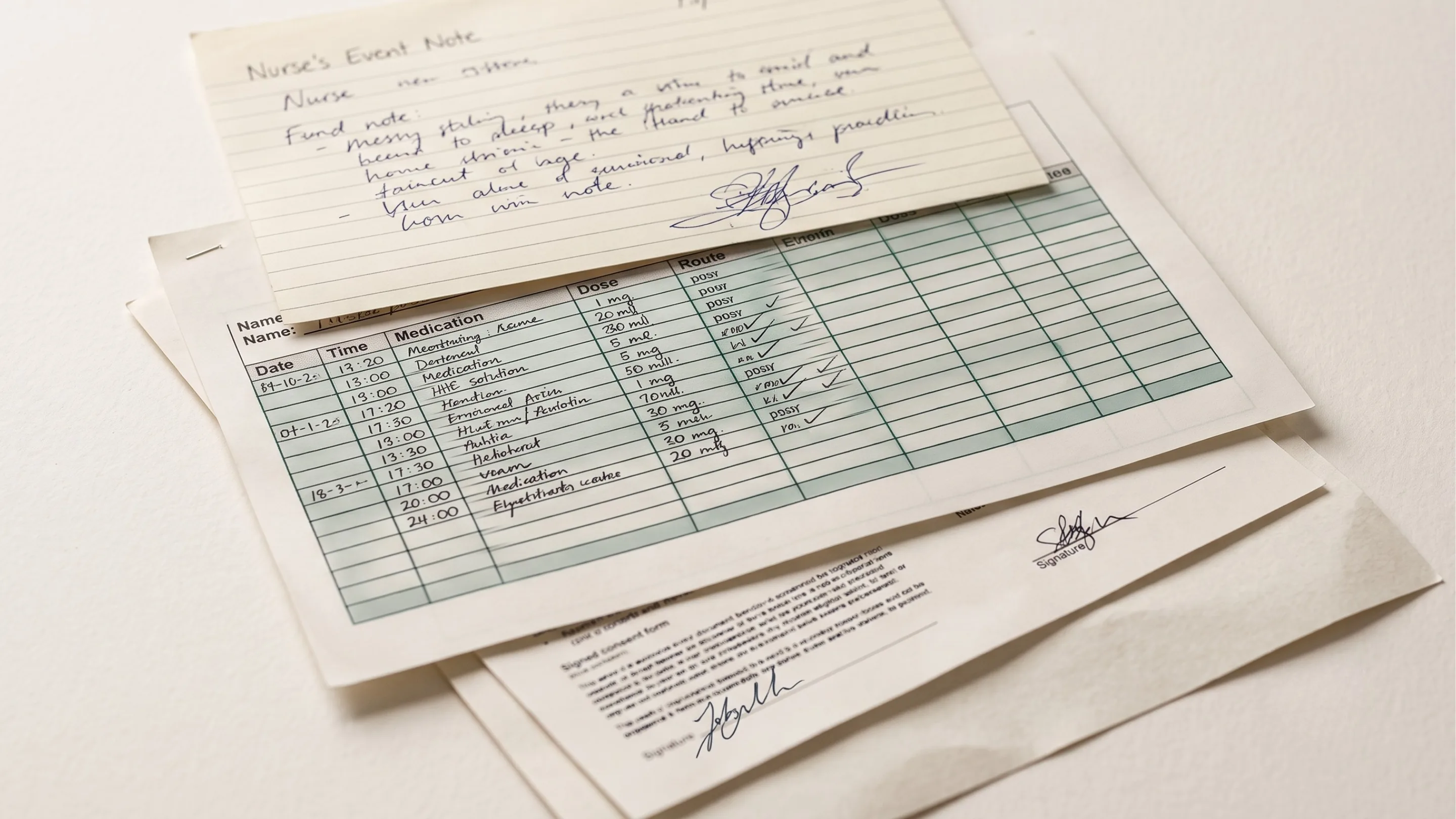
What it takes to read a handwritten care note

On clean printed text, old and new OCR are close. On the degraded scans, signed forms and dense tables a real care record is made of, legacy OCR collapses while modern vision-language models clear the bar. What I measured, what surprised me, and why the best model is not automatically the right one.

By Jake King7 min read
A handwritten nurse's event note resting on a signed medication chart, the handwriting on both hard to read
June 24, 2026Case studies

Nursing notes after Minikai

A difference-in-differences study of 286 event-driven notes from 14 nurses. Length and SBAR completeness improved significantly when nurses used Minikai to help write them, with specificity improving directionally.

By Xavier Gunn10 min read
A nurse in teal scrubs reading from a tablet held in both hands
June 10, 2026Case studies

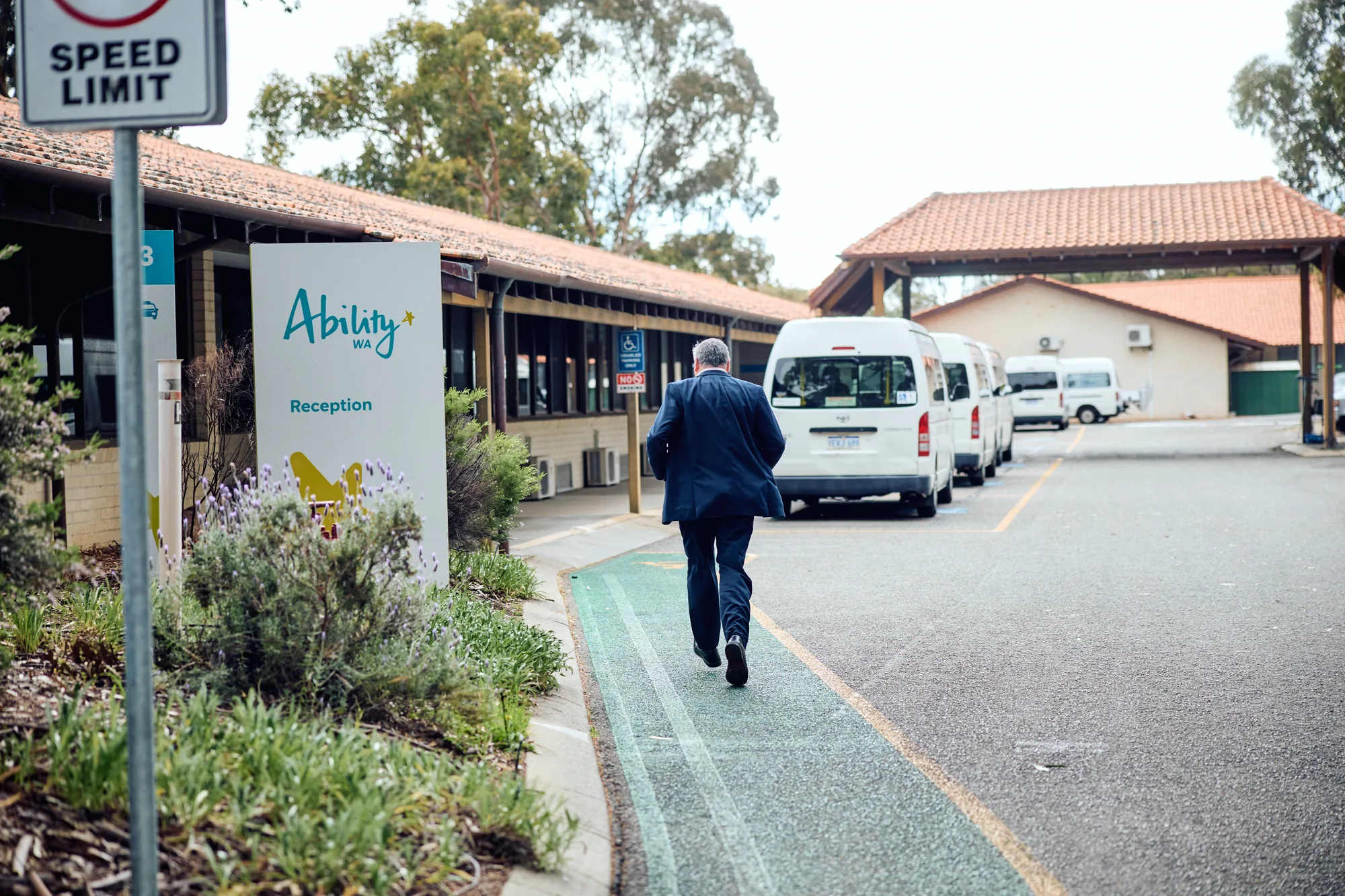
Ability WA: seven months on, time returned to care

A written update on Ability WA, seven months on from the video walkthrough: therapists first, support workers next, weekly active users up around 40 percent, and what the team is building now.

By Bron Fitzgerald7 min read
A man in a suit walking up the path to the Ability WA reception entrance, past a row of parked white minibuses
June 1, 2026Sector leadership

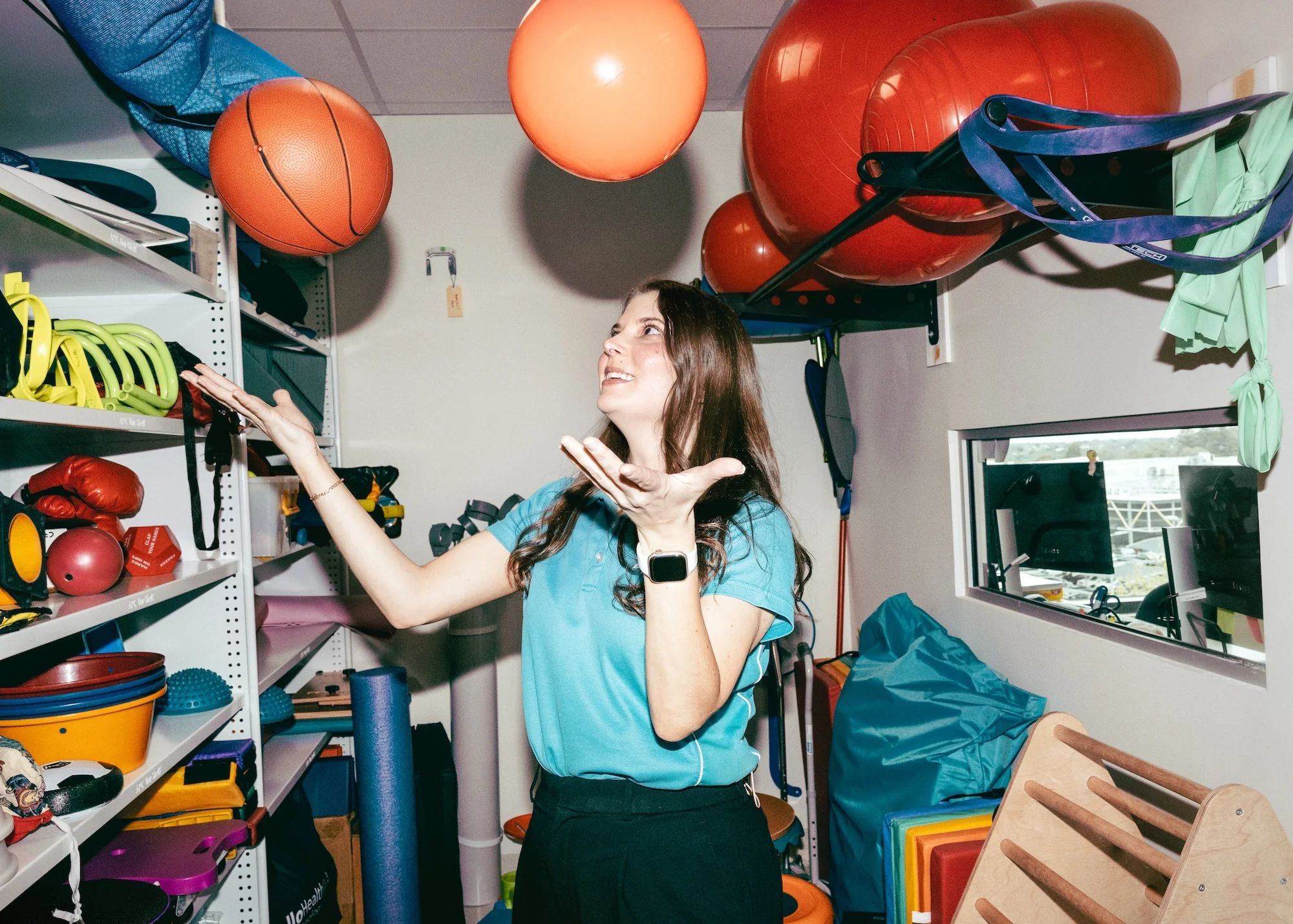
What NDIS therapists do with AI

Drawing on 6,224 AI interactions by 143 therapists using Minikai across multiple NDIS providers, this article looks at what they use AI for, how it informs their clinical work, where it saves them time, and what share of their workload AI assists with.

By Xavier Gunn7 min read
An occupational therapist in a therapy equipment room tossing a ball in the air, surrounded by shelves of exercise balls, mats and mobility aids
April 22, 2026Industry

From volume to impact: how the Royal Commission is reshaping disability service delivery

The shift from volume-based to outcome-based delivery is underway. What it means for how providers operate, how participants engage, and how support workers do their jobs.

By Bron Fitzgerald6 min read
Impressionist painting of autumn woodland, pale tree trunks standing among orange, red and green leaves
April 16, 2026Industry

FCA to I-CAN: what the new assessment framework means for NDIS providers

I-CAN replaces FCA as the standard for NDIS support assessments. Independent assessors and a new evidence model mean providers will need to rethink documentation.

By Bron Fitzgerald6 min read
Impressionist painting of a tree with dark branches and blazing yellow and orange autumn leaves
April 2, 2026Industry

Therapy price caps haven't moved in seven years

Flat price caps and rising costs are squeezing therapy providers. The organisations that are adapting are finding efficiency in unexpected places.

By Bron Fitzgerald6 min read
Impressionist painting of a red and orange autumn tree against a pink dusk sky
March 20, 2026Product

Start your day with AI: building habits, not just tools

The organisations with the highest AI adoption rates don't just have good tools, they've structured AI into daily, weekly, and monthly workflows. Here's how to build those habits deliberately.

By Aggie Calabro7 min read
Impressionist painting of a path through autumn woodland, canopy and fallen leaves both deep orange
February 28, 2026Product

Where to start with AI in care

The overwhelming majority of care providers know that AI is going to reshape the sector, but they don't know what it means for their organisation, their workflows, or their people. A grounded look at how to start.

By Keoki Alexander-Chang8 min read
Impressionist painting of a woodland clearing, a tree in orange leaf beside deep green foliage
February 18, 2026Engineering

Why bolting AI onto your CRM doesn't work

Most AI features in existing CMS tools are retrofits. They look like AI but behave like search. Here's why that matters, and what the alternative looks like.

By Ky Shera-Jones7 min read
Impressionist painting of a lush green hillside under a pale blue sky, with flecks of red and orange flowers along the foot
February 2, 2026Product

Designing AI-native experiences for the care sector

The organisational trust layer is the part of an AI-native experience that procurement, security, legal and operations evaluate. When the design holds, deployments move. When it does not, the pilot stalls.

By Bec Yik8 min read
Soft, hazy impressionist painting of a sunlit meadow in pale yellows and greens, a line of trees along the far edge