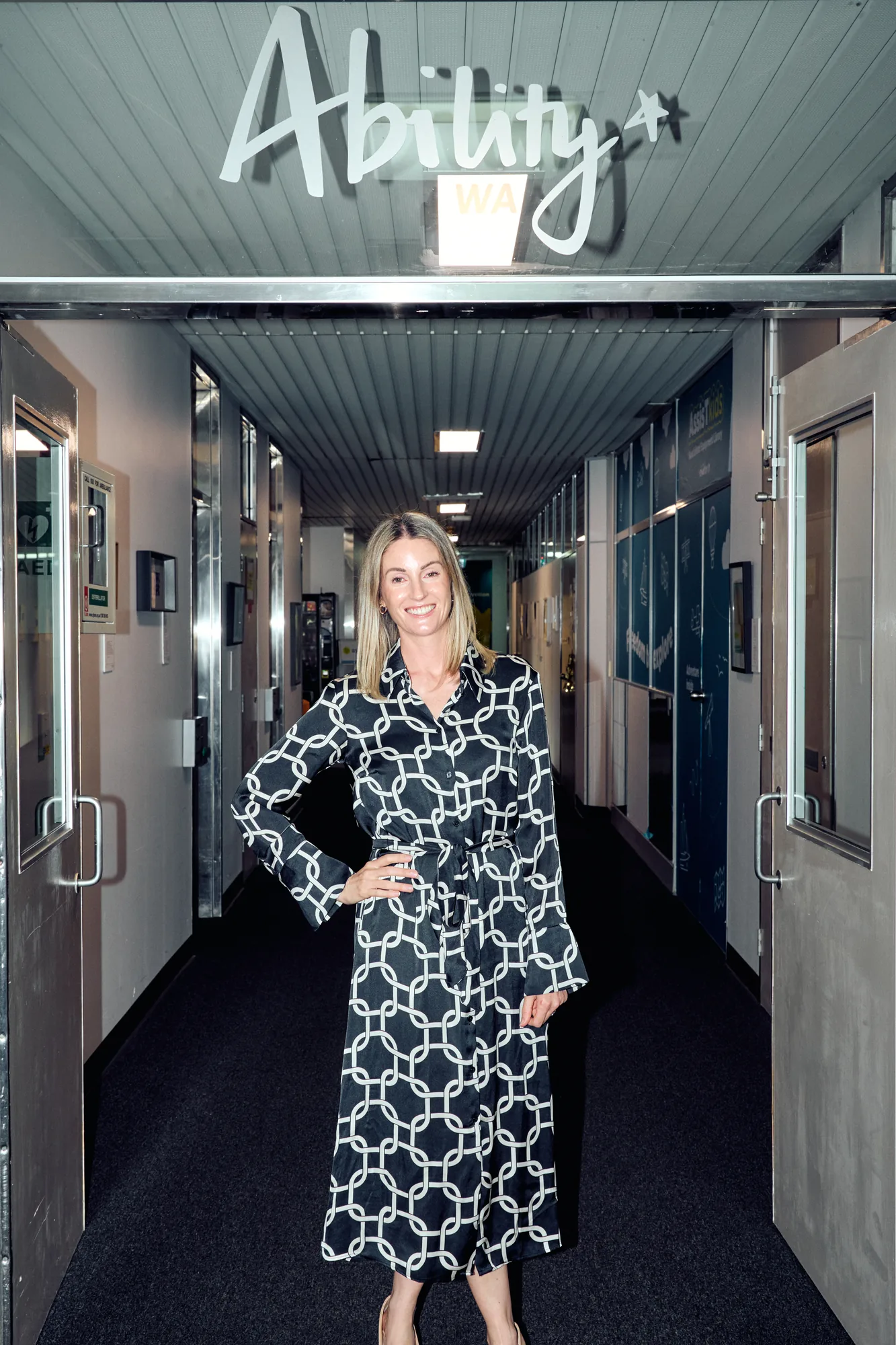
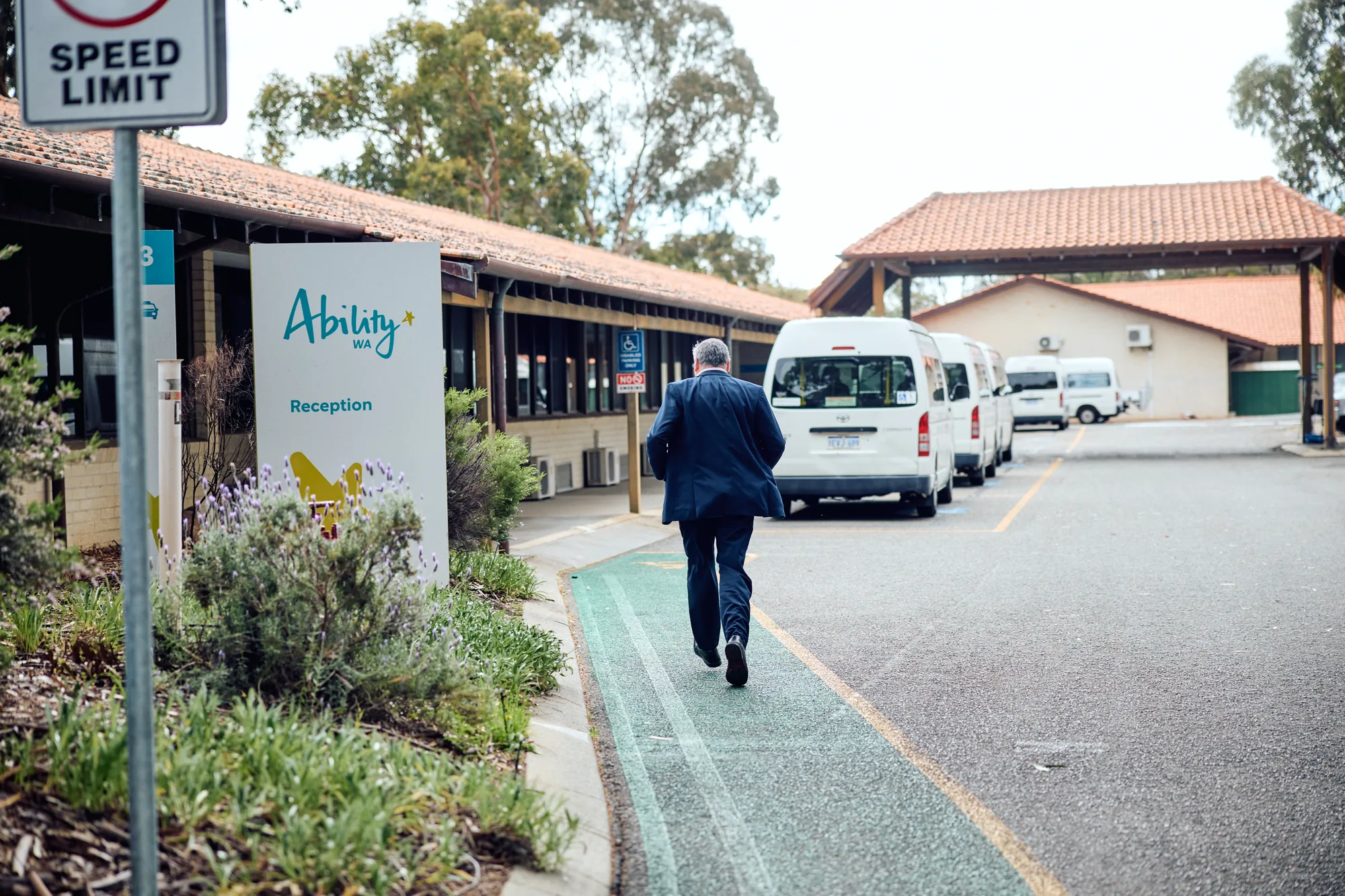
Ability WA is one of Western Australia's largest disability service providers, supporting people across therapy, supported independent living, in their homes, in the community and in employment. They were the first organisation in Australia to deploy Minikai at scale.
Seven months ago we published a video walkthrough with David Edwards, Ability WA's Chief Customer Officer and executive sponsor for the rollout. This article provides an overview of what happened between the video and now: the therapists who came on first, the support workers who came on next, and how Minikai is impacting both the Ability WA workforce and the individuals and families they serve.
Watch the walkthrough
Before the written update, here is the original seven-minute walkthrough with David Edwards on how the rollout came together and what Minikai changed for the people Ability WA supports.
Why Ability WA started with Minikai
Ability WA operates in the funded environment every NDIS provider knows. Therapists were spending a meaningful share of their week on session planning, progress notes and report writing. The information needed to do those things well was already in the system, captured for a reason, scattered across Lumary records, case notes, and uploaded documents. The work to bring it together fell to the clinicians, which meant less time with the customers they were there to support.
The team didn't go looking for a platform. They went looking for a way to give therapists their time back.
Minikai really wanted to know what our challenges were. They didn't want to sell us a platform. The platform is the solution to our challenges, and we think there's probably more solutions down the line as we keep talking about those challenges.David Edwards, Chief Customer Officer, Ability WA

Phase one: therapists
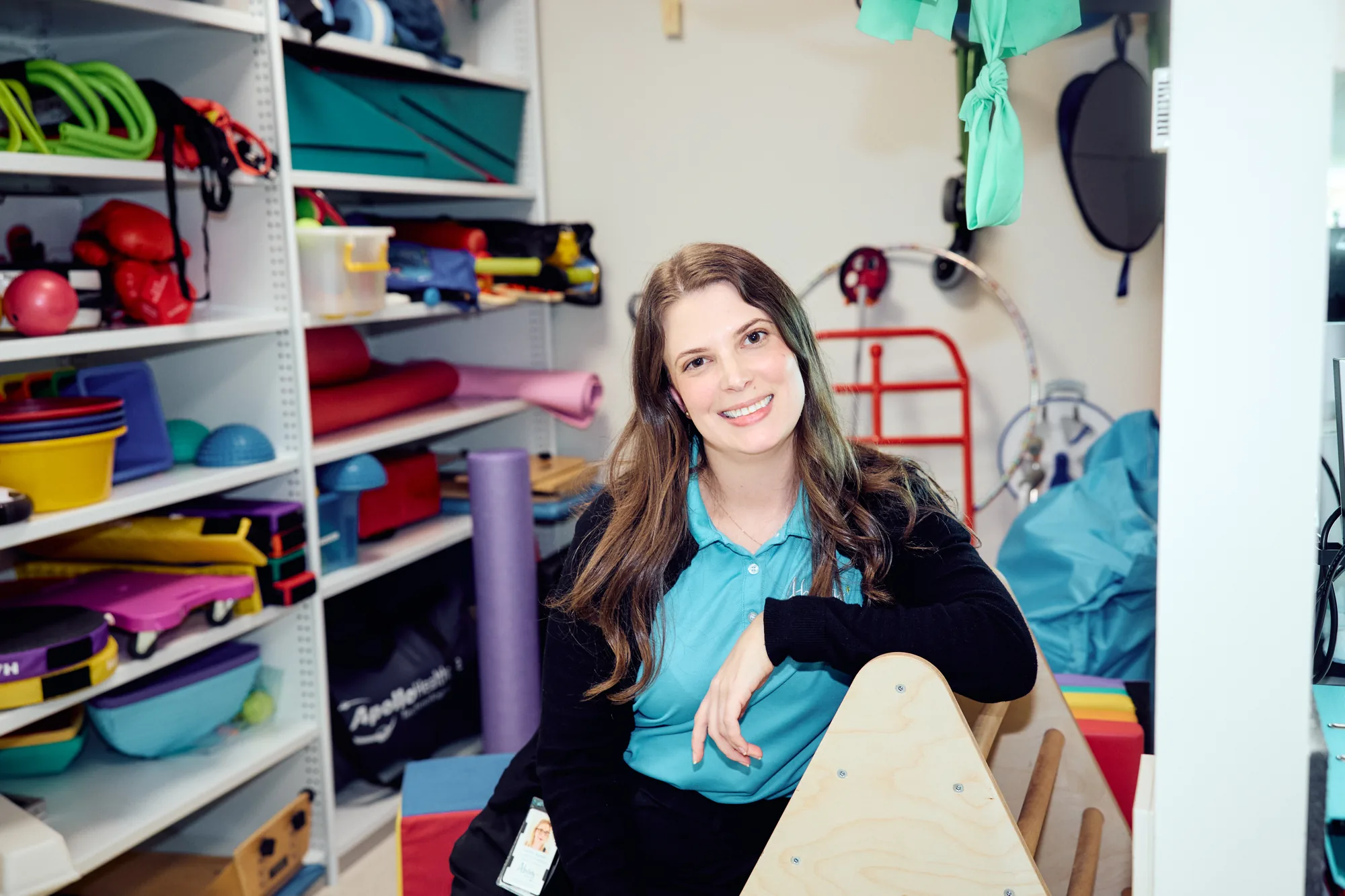
The first cohort to come on were the therapy teams. Adoption moved quickly. Clinicians at Ability WA already used AI tools for their personal use, so a Mini that knew the customer's history, their goals, and the outcomes of recent sessions slotted into their existing work practices easily.
The day-to-day use was straightforward. Before a session, a therapist could ask the customer's Mini if there were any specific issues or opportunities they needed to understand from the customer's notes, and use that to shape the next session. Functional capacity assessments, Positive Behavioural Support Plans and progress notes that used to require significant time investments could be drafted in two-thirds of the time, with the therapist retaining clinical judgement and sign-off on everything that went out.
It's about getting therapists to do what they love to do, which is providing therapy as opposed to writing reports.David Edwards, Chief Customer Officer, Ability WA
The clinical safety design of Minikai matters here. Each piece of information Minikai returns is cited from its source record and dated. Therapists can see where information came from, and whether it's recent enough to act on. The clinician's name stays on the bottom of the report, because that's where the accountability sits.
When a therapist develops something using Minikai, their name is still on the bottom of the report. They are using this as a development tool, but it's up to them to use their clinical judgement, sign it off, make sure it's reasonable. It's not just left to AI to develop that.David Edwards, Chief Customer Officer, Ability WA
There's a second clinical detail worth calling out. The NDIS reporting language is built around identifying deficit, while therapists are trained to deliver strengths-based care. Minikai supports both, so a clinician can write up a session in the language they believe in and still produce documentation the funder will accept.
Workforce retention was anecdotally reported to improve alongside the administration gains. Therapists were doing more of what they trained to do, and the team felt the difference.
It's assisted in our retention rates of therapists and other staff, because they are getting to do more of what they love to do.David Edwards, Chief Customer Officer, Ability WA
Phase two: support workers
The rollout to support workers was deliberately more gradual. As a workforce, support workers have a broader skill set, speak a wider variety of languages other than English, and their customer relationships are based on more frequent contact. The Ability WA team took the time to establish the right training, governance, and safety foundations before scaling Minikai activation, so that every support worker coming onto the platform did so with a shared confidence.
The groundwork now in place, support workers are being introduced in cohorts.
Two things have already proved out for this cohort. The first is multilingual support. Many support workers speak a language other than English at home, and many of the families they communicate with do too. A support worker can now write a summary in English and send the translated version to a family in the language they speak in their kitchen.
Where support workers know the cultural background of a customer, they can write a summary to the family in their first language. This creates a greater customer experience and a connection to the family as well.David Edwards, Chief Customer Officer, Ability WA
The second is shift preparation. A support worker starting a shift can ask the customer's Mini what's relevant for today: recent observations, behavioural patterns, anything noted by the last person on shift. Handover can be more efficient now it sits with the customer's Mini.
What scale looks like, seven months in
Across Ability WA, every customer in active service has their own Mini, and the workforce across frontline services are using the platform every day. Weekly active users have grown by roughly 40 percent since early March as the support-worker cohort has come online, and weekly volume on the platform has grown by about two-thirds over the same window.
The integration with Ability WA's CMS is synced so customer records, exits, and funding period changes flow through cleanly from the primary data source.
Funding gaps, surfaced before they bite: in client engagement teams
One of the capabilities Ability WA has been working with through the second half of the rollout is funding gap detection. The work itself is simple to describe and hard to do by hand: look at a customer's service agreement, qualify the services actually delivered, and surface the gaps before they become a problem.
This is a sustainability lever as well as a quality-of-care lever. If a customer's plan covers support that isn't being scheduled, the customer won't get what they're funded for. If a provider is delivering support that isn't being captured against the right line item, the funding doesn't come back. Both of those problems show up as a quieter version of the same thing: information that exists somewhere in the system but isn't getting to the person who can act on it.
Both result in an impact to organisational revenue and service flow.
This sits alongside the time-savings story rather than replacing it. The therapist who got an hour back from a functional capacity assessment is the same person who can respond when Minikai flags a gap in a customer's plan.

What's next
The current quarter's work at Ability WA centres on three things.
The first is automating the participant lifecycle inside Minikai, so new customers, exits, and funding period changes flow through cleanly without manual reconciliation work for the team.
The second is broader use of the Insights dashboard, provided to organisations on subscription, so leaders can monitor Minikai adoption across teams and bring more of their people into the platform with the right support.
The third is integration of organisational knowledge into daily workflows. Ability WA's policies, procedures, and ways of working will be made available to each Mini, so Minikai responses reflect the organisational governance framework.
Why this story matters for other providers
Ability WA's rollout shouldn't be read as a template. Every provider's data shape, funding model, and operating cadence is different, and a rollout that worked for one organisation is the start of a conversation rather than the end. What Ability WA's experience does demonstrate is that an NDIS provider with this scale and complexity can put person-centred AI in front of every customer, keep clinicians in charge of the clinical decisions, and see the numbers move on the things that matter to a provider's sustainability and the people they support.
The original video walkthrough is still the best 7-minute introduction to how the team got here. Seven months on, the headline hasn't changed. The platform was the solution to a set of challenges Ability WA already knew they had, and the conversation about what comes next is the conversation Minikai continues to have as we keep expanding the capability of the platform.
Talk to us
If you're an NDIS provider thinking about how person-centred AI would land inside your organisation, the Minikai team are happy to walk you through what we built with Ability WA and how we could work with you. Talk to sales, or watch the original case study video first.