
Watch the case study
Sunnyfield is a Sydney-based disability provider that supports people with intellectual disability, with around 1,400 clients across Supported Independent Living (SIL), community access and employment services. When their leaders first spoke with us in August 2025, they recognised the potential the right AI had for improving quality of service delivery.
After a gentle introduction of Minikai to support workers in October 2025, Sunnyfield chose a tight scope for a second phase of Minikai on purpose: a small group of leaders, a defined set of shared living clients, and a small number of outcomes to determine if Minikai could be consistently and reliably used to improve support workforce documentation quality and practice.
That starting point shaped everything that followed. Sunnyfield and Minikai are sharing this story because what we learned will be useful to any provider supporting people in their home, wondering about where to start with AI, what gets in the way, and where the value lies.
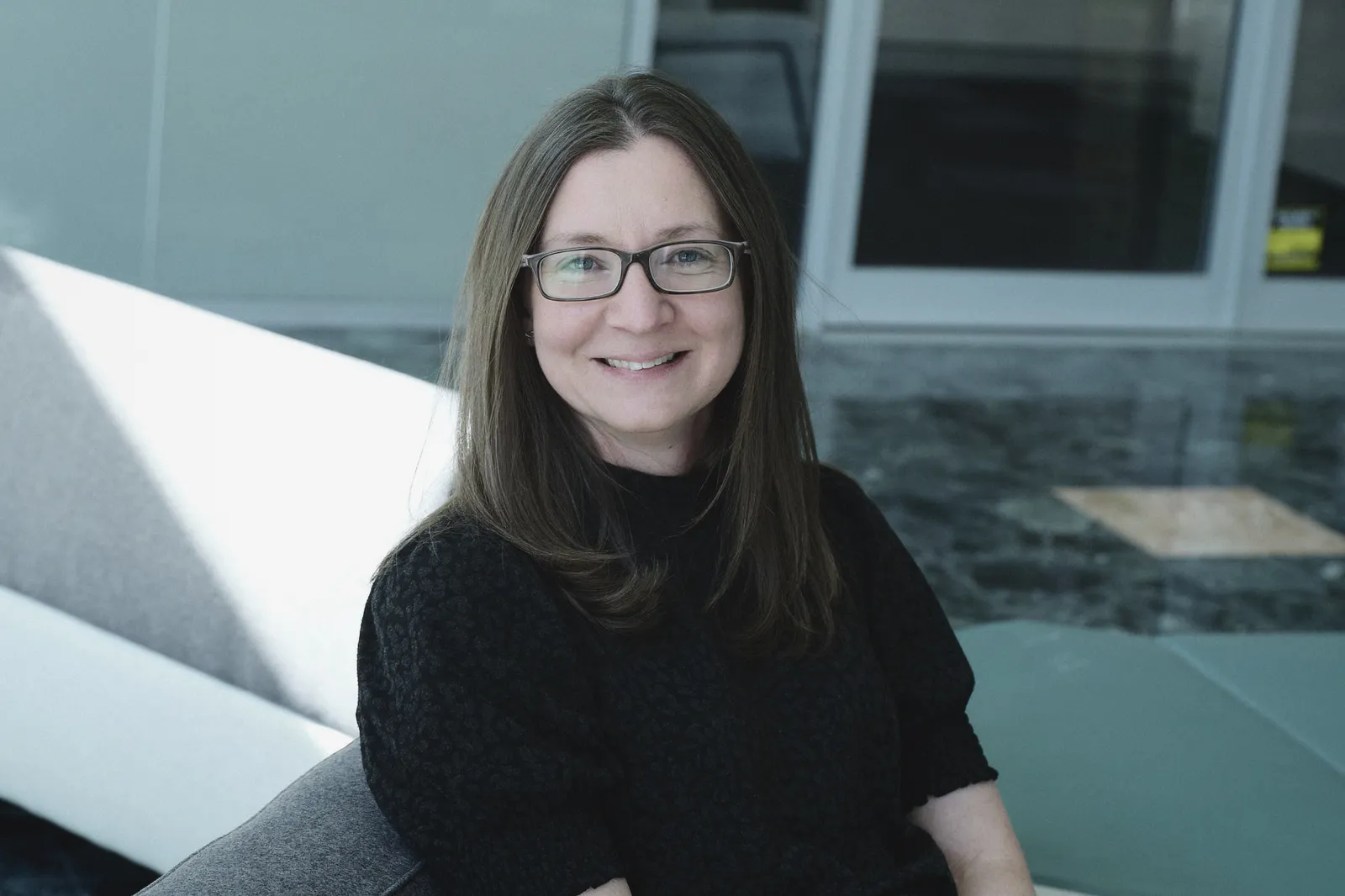
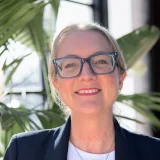
The benefit of AI is how do we use it so that we can actually just spend more time doing the thing that everyone got in the sector to do, which is to spend time supporting our clients.Linda Hunt, General Manager, Safety and Assurance, Sunnyfield
A careful pilot
The early weeks were about foundations rather than features. Sunnyfield's IT team worked with us on connecting their client management system, deciding exactly which client records Minikai could access, and ensuring the client data that was integrated with Minikai was only that, which had been agreed. That care around privacy set the tone for the whole partnership.
The outcomes of this first phase were identified:
- Minikai could efficiently support identification of any gaps in Sunnyfield's client data.
- Minikai didn't need the same training as the introduction of another CMS for support workers.
- Minikai could support "right in time training" for support workers to ensure sufficient detail was captured in the shift note.
Unlike other technology, the AI doesn't need 50 pages of training manuals, which is just a blessing.John, General Manager, Strategy and Innovation, Sunnyfield
From pilot to phased rollout
Sunnyfield's project team took the pilot findings to their Executive, and in May 2026 they committed to rolling out Minikai beyond the pilot. What came next was a steady, practical approach rather than a big launch.
- Connecting more of their data. Through June and July, Sunnyfield's IT team brought more client records into Minikai and set up permissions so that client data could only be viewed by those who should see it, relevant to their role.
- Single sign-on. Staff logged in with their usual Sunnyfield credentials, which supported secure login to Minikai.
- Skills and guides. From August 2026, Sunnyfield's Safeguarding team began shaping repeatable tasks into a skill or template, such as a shift note quality guide, so that leaders could consistently run shift note quality checks across homes.
The people who made it work were Sunnyfield's own. House and regional leaders became champions, coached their colleagues and found uses we had not thought of. Our role was to listen, adjust and stay close.
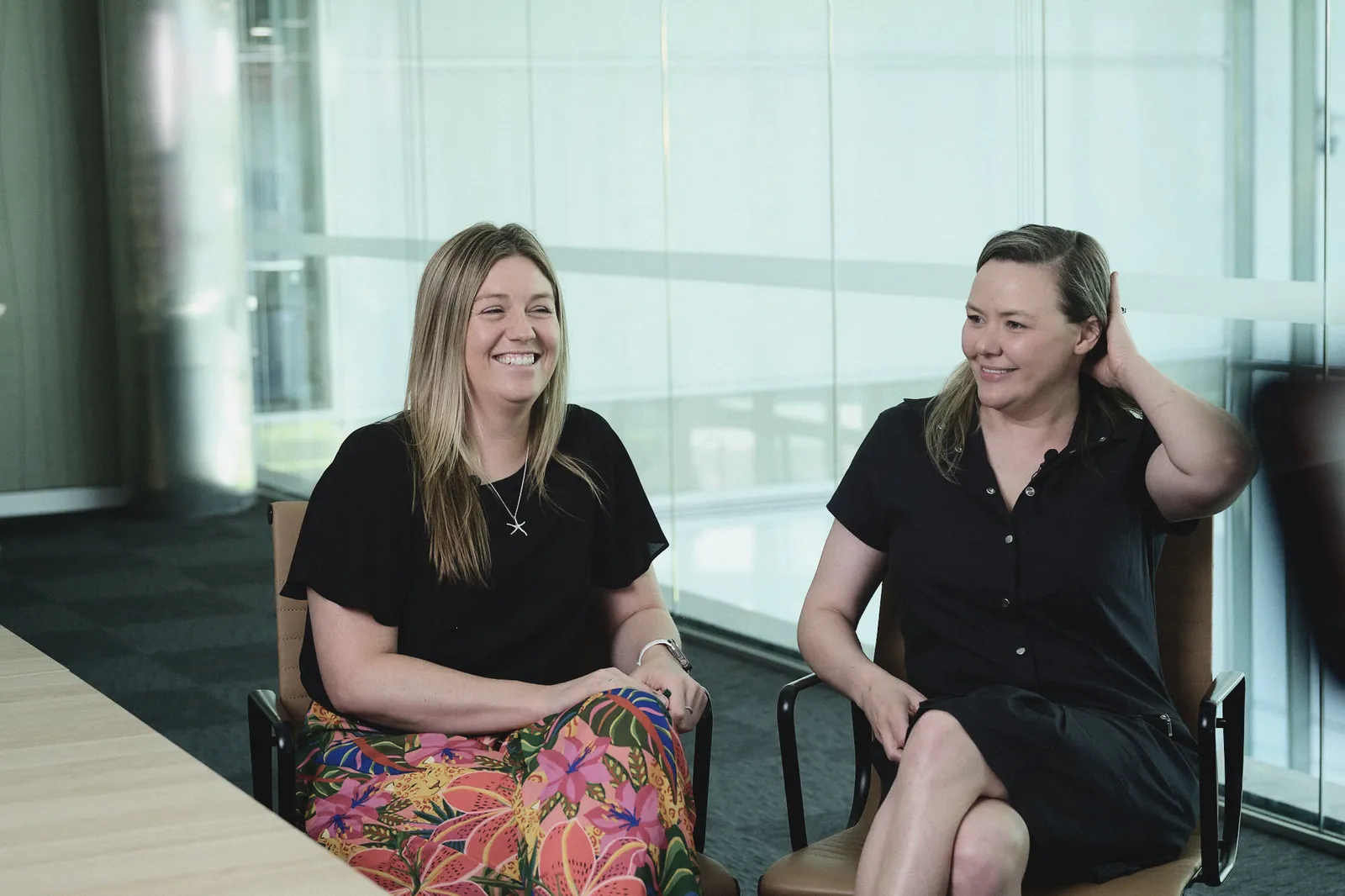
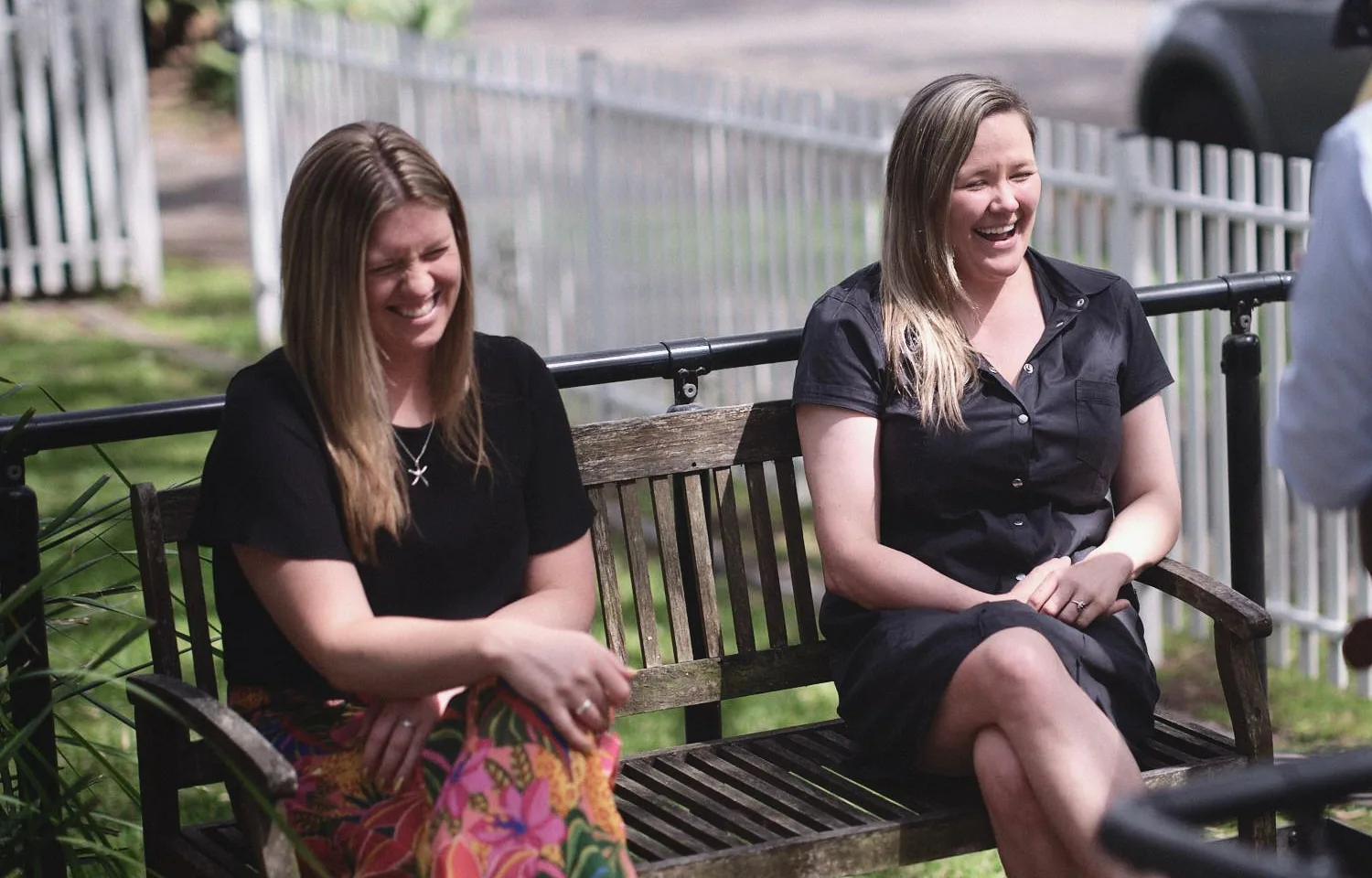
Click, click. Seconds later it's there and they're like… this is amazing.Jess, Regional Business Manager, Sunnyfield
Myth busters about quality
We learned that:
- Quality needs to be clearly defined in the human services sector as more than just prevention of harm.
- Supporting quality outcomes in service is not just the role of a quality team. It's everyone's responsibility.
- A continuous quality improvement cycle ensures that organisations continue to learn and improve from evidence, improved processes, education, outcomes and a culture of trust.
- Minikai supports this continual quality improvement cycle.
Every shift in a Sunnyfield SIL home ends the same way: a support worker sits down and writes a shift note. On its own, one note says little. Together, over a week, a month, a year, those notes become the most detailed record anyone holds of a person's life. Yet before Minikai, on a rotating roster, no one person read them all. Each worker saw a single shift, so gradual changes in someone's function and participation, such as a dip in appetite, a run of restless nights or a quieter week, could pass unnoticed until they caused harm. That is where risk sits. Minikai reads across the notes, so the whole picture reaches the people who can act on it.
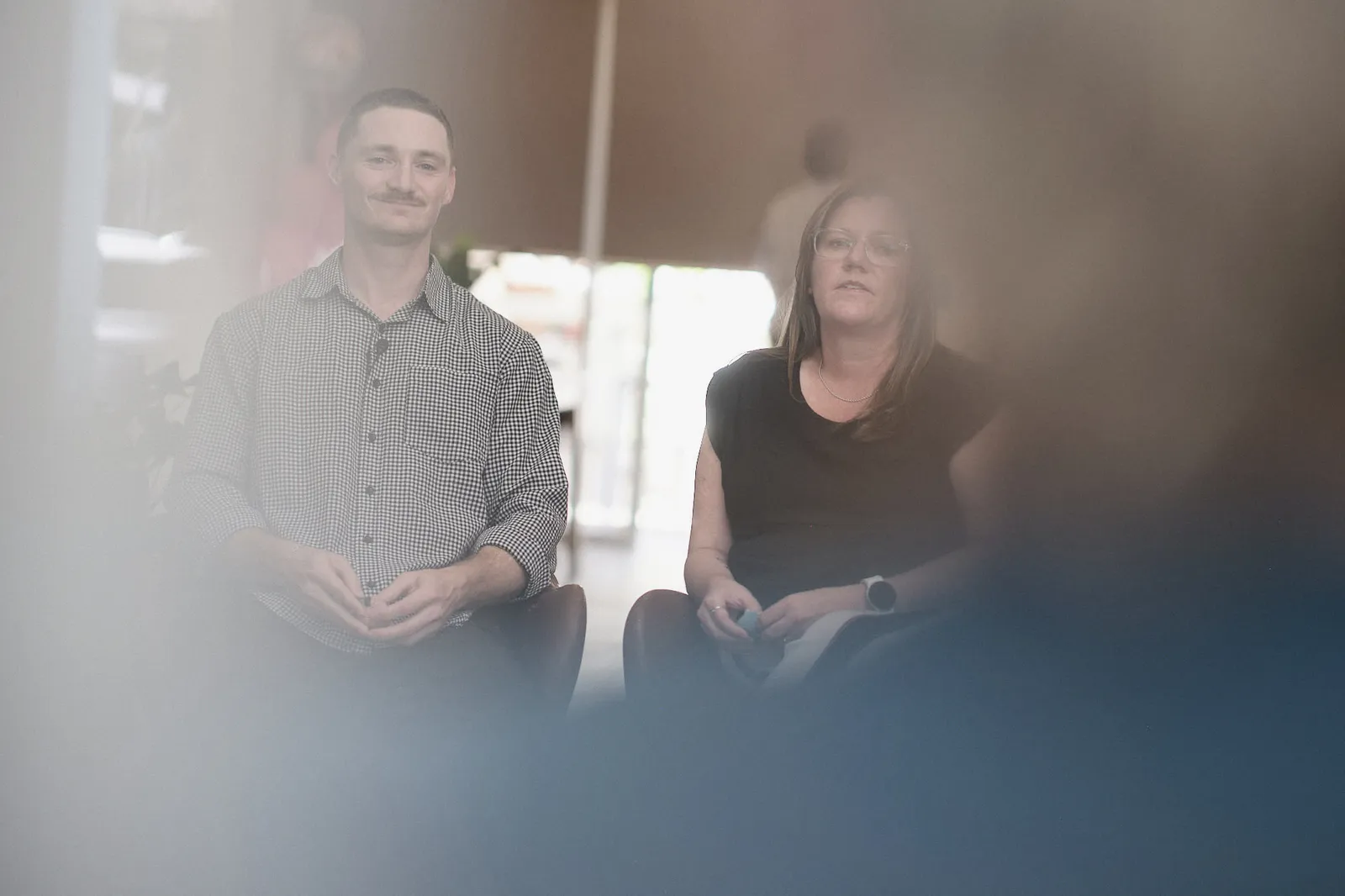
Minikai came in and was actually able to develop the shift plans… from information they've already given us through their shift notes.Rory, Home and Lifestyle Lead, Sunnyfield
- Shift note quality. House leaders sample shift notes a couple of times a week and use what they find from the Minikai trend analysis in coaching conversations with their team of support workers to improve ways of working and shift note quality. One regional leader went further by developing training so frontline staff understand why their notes matter and how their leaders are using them. "I started with reviewing shift notes individually and then across the workspace... and then developing coaching plans"
- Improved supervision on the floor. Many of the Sunnyfield SIL leadership team speak to spending less time at a computer pulling information and reports, and more time supporting their team and clients. "Minikai can eat up a lot of the desktop audit component, which frees our quality auditors up to... actually be spending time observing what our practice looks like in the field." Linda Hunt, Safeguarding lead, commented.
- Incidents that were never reported. Very rarely in human services organisations are all incidents captured in formal reporting. To mitigate this risk, each quarter, Sunnyfield's clinical governance committee looks at homes with low incident reporting. This quarter, for the first time, the safeguarding team used Minikai to compare incident reports against shift notes for the lowest-reporting shared living homes. They found several incidents that should have been reported. These discrepancies have formed the basis of conversations which led to action plans ensuring incident reporting is appropriately captured. Without Minikai, missed incidents would be almost impossible to detect with the volume of records to review, and obvious time restrictions. "Usually if there's an incident, someone will put it in the shift note. So then I can use Minikai to run a check across shift notes to check the incident has been logged."
- Context in seconds informs better decisions. When something happens to one of Sunnyfield's 1,400 clients, the safeguarding team can get a snapshot of that person's recent history straight away, through Minikai, rather than reading back through months of case notes. Linda retells an example of how an incident involving two clients, led to a review of the shift notes. Shift notes highlighted a slowly changing medical presentation which led to behaviours of concern escalating. By gaining an understanding of the escalating underlying medical presentation, swift action was taken to resolve this and then "behaviours of concern" also ceased once appropriate medical intervention occurred.
- Planning for funding reform. Community teams are using Minikai to understand how individual client lives will change, with the pending funding reforms which will reduce community participation supports. Minikai is supporting the collection of evidence to maintain existing funding and also plan for different ways in which they can be supported. "Normally those reports... could take a week, whereas with Minikai it took me a day." Emma Thomas, Regional Manager commented.
- Improving participation and risk management. "Dignity of risk" is a concept very familiar to the human services sector, yet one which I see being difficult for organisations to navigate. As a result there is often reduced participation in the activities an individual is supported to participate in as a risk mitigation strategy.
We would have come to that conclusion eventually, but we got there so much quicker because of Minikai.Linda Hunt, General Manager, Safety and Assurance, Sunnyfield
An example we heard when speaking with the Sunnyfield team was a young man who had always wanted to participate in cooking with his housemates, had been unable to take part in this due to the high risks linked to his health diagnosis of pica, a condition where a person repeatedly eats things that are not food, such as paper, soil or plastic. Using Minikai, his team read across his notes, various assessment reports and support plans, and learned how to plan for his safe participation in cooking, using a risk management approach. He now joins the cooking sessions and has a "smile from ear to ear." This use of Minikai highlights the power of information coming together to improve risk management and participation while facilitating real-life quality outcomes for individuals.
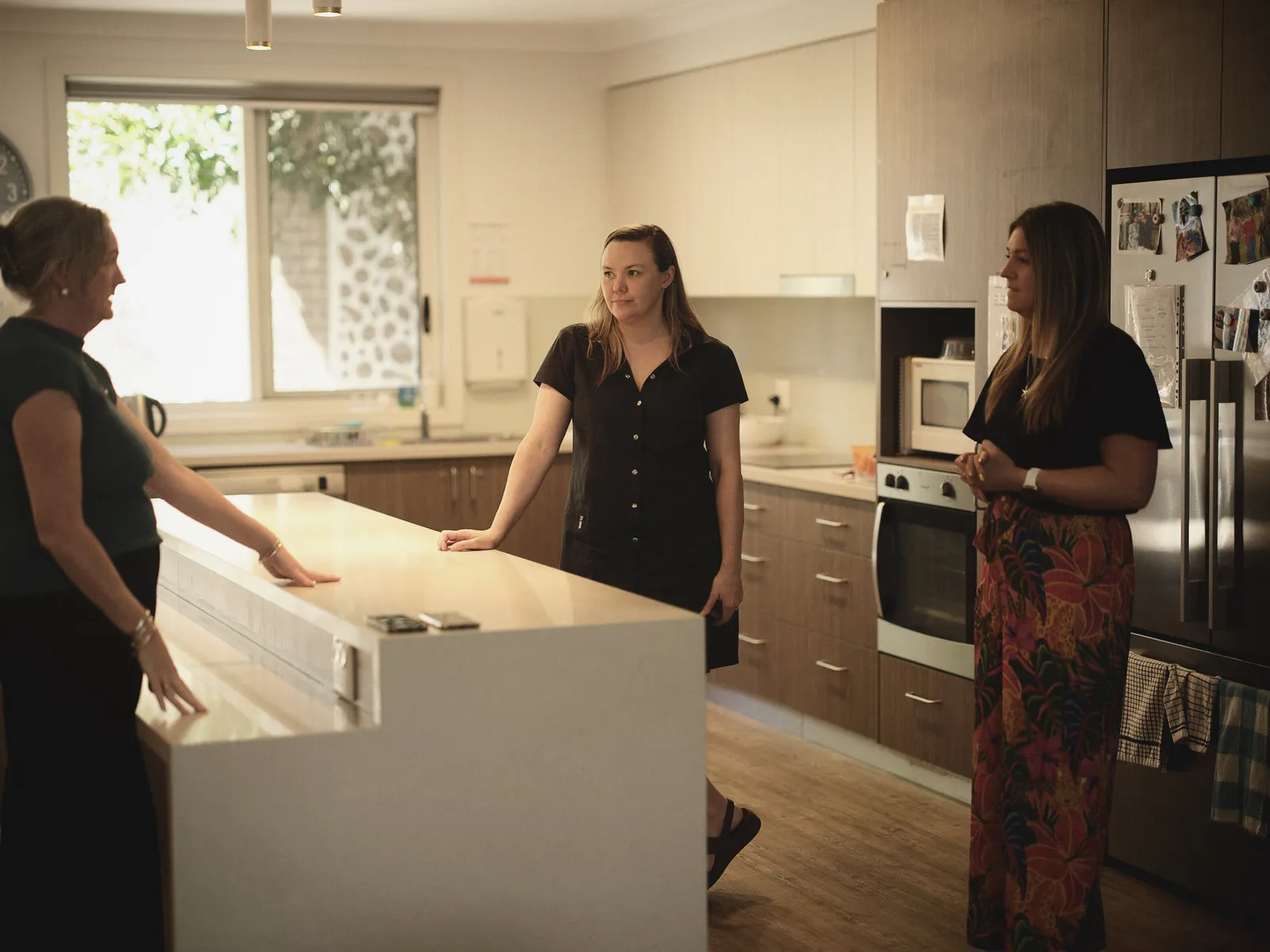
He could actually engage in the program that he's been wanting to do for so long… he had the biggest smile on his face.Jess, Regional Business Manager, Sunnyfield
What comes next
Sunnyfield is not rushing. Their focus for the next six months is to deepen how their current users work, not to widen the circle. That means:
- bringing their most experienced users together to share how they use it and shape the next set of skills
- agreeing simple measures of change, starting with a before-and-after look at shift note quality in one leader's homes
- early work to develop a skill to flag potential clinical deterioration in an individual.
- moving paper charts, such as sleep and bowel charts, into their client system so that the full picture is in one place
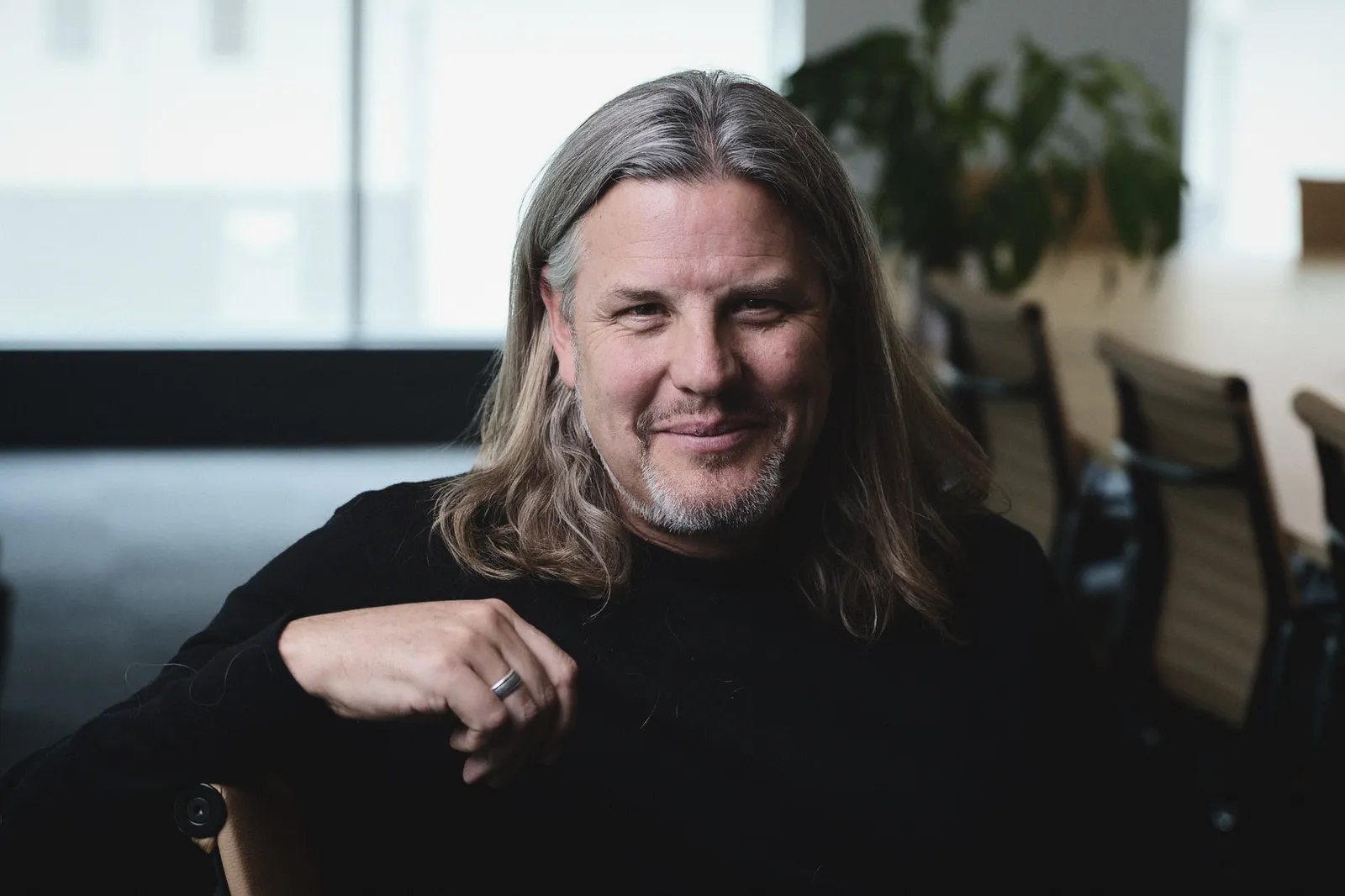
The end game is to free up the community service workers, free up their time so they spend more with the client.John, General Manager, Strategy and Innovation, Sunnyfield
I have worked in this sector long enough to be wary of technology stories that skip the hard parts. Sunnyfield's story is worth telling because they did not skip them. They started small, took privacy seriously, listened to their staff and kept the people they support at the centre. For other providers, I think the lessons translate. Start with a clear problem and a small group of leaders. Sort out data access and privacy before anything else. Let your own champions lead and measure change in the lives of the people you support, not only in time saved or financial impact, but in outcomes achieved.
Sunnyfield's story is still being written, and we feel privileged to be part of it. What we are learning together belongs to the whole sector, and we will keep sharing our insights openly, so that other providers can see what is possible when AI is introduced with care, and with the people it serves in mind.
Behind the scenes
1 of 4
Talk to us
If you support people in their homes and are wondering where to start with AI, the Minikai team would be happy to walk you through what Sunnyfield did and how it could work for your organisation. Talk to sales.